So we have been doing word vomit like there will be a picture of a person or you'll get words and you need to make a story from it... and honestly, I'm so bad at this like I can't create or give information but this...
Thursday, 10 May 2018
Word Vomit
10/05/2018
So we have been doing word vomit like there will be a picture of a person or you'll get words and you need to make a story from it... and honestly, I'm so bad at this like I can't create or give information but this...
So we have been doing word vomit like there will be a picture of a person or you'll get words and you need to make a story from it... and honestly, I'm so bad at this like I can't create or give information but this...

Monday, 7 May 2018
Science- Tea Bag Rocket Experiment.
7/05/2018
Aim:
To use particle theory to explain an unusual observation.
Equipment:
A tea bag that comes with a string stapled to it, heatproof mat, matches.
Method:
1. Cut off the end with the staple/String and pour out the tea leaves into a pile.
2. From the bag into a cylinder that is able to stand on its end.
3. Place the tea bag tube on the pile of tea leaves.
4. Light the top of the tea bag with a match, stand well back and watch the flame burn down.
So when we did this experiment we did well when we light it up the flame was going all the way down and then that tea bag paper went flying like a real rocket so you can try this at home but need to be careful I forgot to take pictures and video sorry for that and I hope you should try this experiment it was fun. And I found the image from google of this experiment...
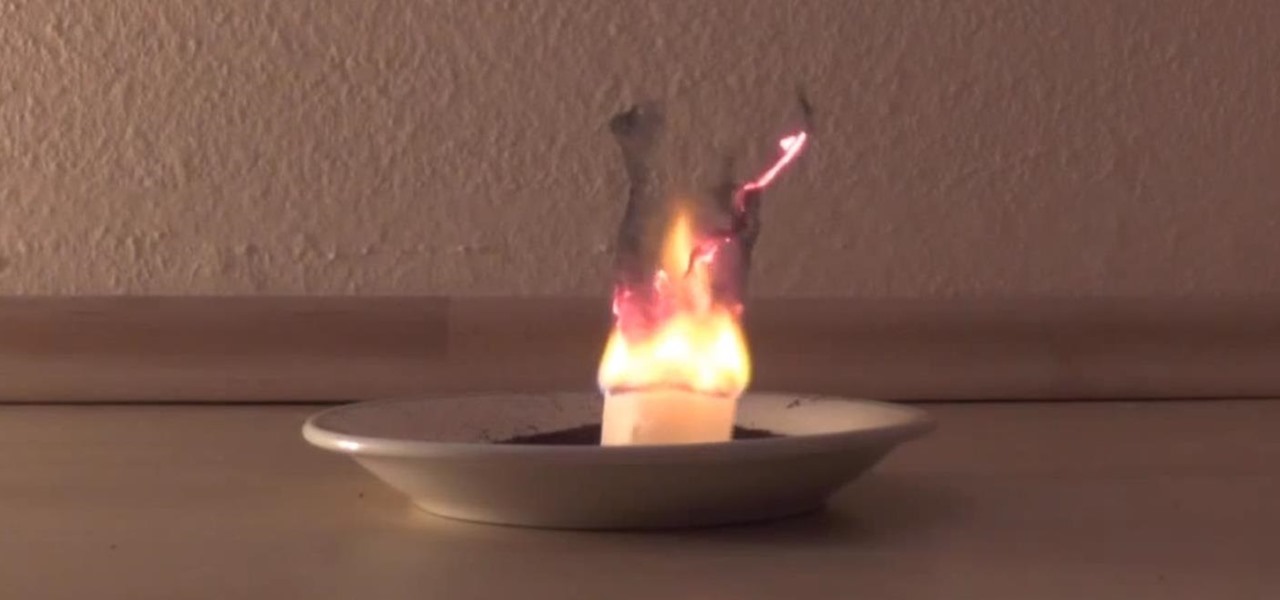
So this is the image on the plate there is the tea bag burning and the black things are the things which is inside the tea bag I don't know how to say that.
What have I learned??
I have learned to do experiments more realistically.
What do I need to improve on??
I don't know what I have to improve on if you know comment me.
What I m wondering??
I m wondering Next week I have a science test, exam, etc. I hope I do well On the test
Aim:
To use particle theory to explain an unusual observation.
Equipment:
A tea bag that comes with a string stapled to it, heatproof mat, matches.
Method:
1. Cut off the end with the staple/String and pour out the tea leaves into a pile.
2. From the bag into a cylinder that is able to stand on its end.
3. Place the tea bag tube on the pile of tea leaves.
4. Light the top of the tea bag with a match, stand well back and watch the flame burn down.
So when we did this experiment we did well when we light it up the flame was going all the way down and then that tea bag paper went flying like a real rocket so you can try this at home but need to be careful I forgot to take pictures and video sorry for that and I hope you should try this experiment it was fun. And I found the image from google of this experiment...
So this is the image on the plate there is the tea bag burning and the black things are the things which is inside the tea bag I don't know how to say that.
What have I learned??
I have learned to do experiments more realistically.
What do I need to improve on??
I don't know what I have to improve on if you know comment me.
What I m wondering??
I m wondering Next week I have a science test, exam, etc. I hope I do well On the test
Friday, 4 May 2018
Maori Music for a Modern Audience
What style of music is this/ who performs it/ what inspired them to write it?
So this song is A Hip Hop song and who performed it is Maimoa.
What inspired them to write it?
I'm not really sure about this...
What did you like about the music?
I liked they dance in this music and the way they sing its just cool
What did you like about the video?
about the video the background and there clothing
Find out what the song is about, can you find a translation of some of the lyrics?
The essence of soul and spirit tingles the skin
An essence that isn't truly felt until one opens up
Once confronted by internal debate, a source of life and inspiration springs within you
A spring-well of instinct and a soul that is completely yours
[Chorus]
It is your SPIRIT - may it spread around the world
It is your SOUL - let it fly and soar
Filled with instinct and inspiration that can guide you to your full potential
A little wairua is better than none at all, be it small or large - it is still a gift
Although it may not be tangible, it's a connection blind to the naked eye
Once confronted by internal debate, a source of life and inspiration springs within you
A spring-well of life and soul that is completely yours
It is your SPIRIT - may it spread around the world
It is your SOUL - let it fly and soar
A subtle means of inspiration and spiritual flow that can guide you to your full potential
Stomp clap the beat the beat clap, to the pound clap, the beat the beat CLAP!
Stand up and let your wairua guide you!
An essence that isn't truly felt until one opens up
Once confronted by internal debate, a source of life and inspiration springs within you
A spring-well of instinct and a soul that is completely yours
[Chorus]
It is your SPIRIT - may it spread around the world
It is your SOUL - let it fly and soar
Filled with instinct and inspiration that can guide you to your full potential
A little wairua is better than none at all, be it small or large - it is still a gift
Although it may not be tangible, it's a connection blind to the naked eye
Once confronted by internal debate, a source of life and inspiration springs within you
A spring-well of life and soul that is completely yours
It is your SPIRIT - may it spread around the world
It is your SOUL - let it fly and soar
A subtle means of inspiration and spiritual flow that can guide you to your full potential
Stomp clap the beat the beat clap, to the pound clap, the beat the beat CLAP!
Stand up and let your wairua guide you!
I found these lyrics translated into English :)
What style of music is this/ who performs it/ what inspired them to write it?
I don't know about the style of this music, its performed by stan walker
What did you like about the music?
What did you like about the music?
I liked the music where the girl starts to sing New Zealand national anthem
What did you like about the video?
I liked the video of they build the Aotearoa words and the back view of the sea
What style of music is this/ who performs it/ what inspired them to write it?
Music- Matariki

Well, this is all about Matariki every single question about Matariki And I hope you like my blog and understand what is this all about...
What I'm I learning??
I'm learning to know about Maori traditional songs like Matariki and tell information about this song as you can see I already wrote information about Matariki.
What I'm I wondering??
I'm wondering next time I would like to play this song on a piano it's gonna be so much awesome If I will be allowed and I'm wondering that my whole class should perform this song, practice and then sing along it will be fun and awesome.:)
I'm wondering next time I would like to play this song on a piano it's gonna be so much awesome If I will be allowed and I'm wondering that my whole class should perform this song, practice and then sing along it will be fun and awesome.:)
I hope you like my blog I will keep on doing better on the blog if I did something wrong please comment me down below in the comment section.
Particle Theory of Matter- Convection
When particles are heated the distance between the particles increases. This means that objects will expand. When liquids or gases expand they become less dense. A gas or liquid which is less dense will rise through a more dense gas or liquid. This explanation for the well-known tendency of hot fluids to rise and cold fluids to sink. Scientists call this process convection.

Aim: To observe convection in a liquid.
Equipment:200 mL beaker, water, tweezers, a crystal of potassium permanganate, a drinking straw, Bunsen burner on a heat mat, tripod and gauze mat.
Method:
1. Set up a Bunsen burner on a heatproof mat. Put the gauze mat on the tripod but leave it just to one side of the Bunsen burner.
2. Fill a 200 mL beaker with 150 mL cold water.
3. Place the beaker on top of the tripod and gauze and allow it to settle for a few minutes.
4. Carefully insert a drinking straw down one side of the beaker, ensuring the straw is touching the bottom of the beaker. Be careful as you do not want to disturb the water too much.
5. Using tweezers, drop a crystal of potassium permanganate down the inside of the straw. Wait for the crystal to settle on the bottom of the beaker.
6. Very gently, so to not disturb the water, remove the straw.
7. Light the Bunsen and side it under the tripod so that you are only heating the outside of the beaker where the crystal is. Observe.
Here is the image that I took...And video...Umm sorry, I can't upload the video of it cause it's not working like the file is too big...

So this is the image and setup and you can't really see where is the Bunsen is like the flame of it it's behind the beaker it should be at corner but not all the way at the corner...
What I'm I learning??
I'm learning about experiments and how to do experiments learning about different types of experiments.
What did I improve on??
I improved on doing experiments and on my blog as well I think I'm getting better at blog and science If I'm a better comment to me and tell me what do you guys think.
What I'm I wondering ??
I'm wondering what kind of chemicals are there in the science lab what are different types of chemical I know some but not all.
I hope you guys like my blog and pretty much understand my writing as well If you don't tell me I mean comment down below and tell me what to improve more... BYE :)
Wednesday, 2 May 2018
Particle Theory Of Matter- Conduction
2 May Wednesday 2018
Conduction is a term used to describe the flow of heat through an object. Objects that are good at conducting heat are called thermal conductions. Metals are thermal conductors, but plastics, fur, wool, and gases are usually poor thermal conductors. Poor thermal conductors are called thermal insulator.
Aim: To observe conduction along a metal rod.
Equipment: A metal rod, retort stand clamp, bunsen burner, petroleum jelly, 5-10 pins, a stopwatch.
Method:
1. Set up and light a Bunsen Burner.
2. Smear a small amount of petroleum jelly on to the head of each drawing pin.
3. Attach the drawing pins at even intervals along the length of the metal rod.
4. Clamp one end of the metal rod to a retort stand.
5. Position the retort stand so the unclamped end of the metal rod is in the Bunsen flame and start the stopwatch.
6. Record the time it takes for each pin to drop in the table below.
So this is the experiment record for the conduction the pin number represents that pin one had this much time to drop and other as well etc. So the time as well the first pin dropped 1min 13sec and other pins dropped at the different timing as well. I have the picture as well which my group mate took it...

So this is the Image of the experiment and this is how it looks...
What I m I learning??
I learning to improve on my work and to know how to do experiments.
What did I improve on??
I improve on my doing experiments and getting information while the experiment is going on.
What I m I wondering??
I m wondering if we do an experiment we didn't do before that's what I m wondering now.
Conduction is a term used to describe the flow of heat through an object. Objects that are good at conducting heat are called thermal conductions. Metals are thermal conductors, but plastics, fur, wool, and gases are usually poor thermal conductors. Poor thermal conductors are called thermal insulator.
Aim: To observe conduction along a metal rod.
Equipment: A metal rod, retort stand clamp, bunsen burner, petroleum jelly, 5-10 pins, a stopwatch.
Method:
1. Set up and light a Bunsen Burner.
2. Smear a small amount of petroleum jelly on to the head of each drawing pin.
3. Attach the drawing pins at even intervals along the length of the metal rod.
4. Clamp one end of the metal rod to a retort stand.
5. Position the retort stand so the unclamped end of the metal rod is in the Bunsen flame and start the stopwatch.
6. Record the time it takes for each pin to drop in the table below.
Pin Number
|
Time to drop (s)
|
1
|
1min 13sec
|
2
|
4min 24sec
|
3
|
6min 25sec
|
4
|
8min 24sec
|
5
|
10min 31sec
|
So this is the experiment record for the conduction the pin number represents that pin one had this much time to drop and other as well etc. So the time as well the first pin dropped 1min 13sec and other pins dropped at the different timing as well. I have the picture as well which my group mate took it...

So this is the Image of the experiment and this is how it looks...
What I m I learning??
I learning to improve on my work and to know how to do experiments.
What did I improve on??
I improve on my doing experiments and getting information while the experiment is going on.
What I m I wondering??
I m wondering if we do an experiment we didn't do before that's what I m wondering now.
Tuesday, 1 May 2018
Behaviour of Matter-Expansion
When particles are heated, they begin to move around more and the spac between the particles increases. causing the substance to expand.Notice that the particles are vibrating more. Because of this, they are bumping in a solid substance. This means the solid will expand.
1. The movement of particles
2. The size of particles
3. The space between the particles
4. The size of the substance
The Imploding Can
Aim: To observe contraction in gases
Equipment: Aluminium can, scissor tongs, Bunsen Burner, heatproof mat, tripod, gauze mat, an open container of water.
Method:
1. Set up a bunsen burner underneath a tripod and gauze mat.
2. Pour approximately 50-60mL of water into your can. It should be no more than 1/4 full.
3. Heat the can of water unti steam is seen escaping from the top.
Carefully grip the can with the scissor tongs. Ensure you have a firm hold of the can before lifting it off the gauze mat.
4.Quickly, but very carefully, invert the can as you plunge it into a contianer of water.
1. The movement of particles
2. The size of particles
3. The space between the particles
4. The size of the substance
The Imploding Can
Aim: To observe contraction in gases
Equipment: Aluminium can, scissor tongs, Bunsen Burner, heatproof mat, tripod, gauze mat, an open container of water.
Method:
1. Set up a bunsen burner underneath a tripod and gauze mat.
2. Pour approximately 50-60mL of water into your can. It should be no more than 1/4 full.
3. Heat the can of water unti steam is seen escaping from the top.
Carefully grip the can with the scissor tongs. Ensure you have a firm hold of the can before lifting it off the gauze mat.
4.Quickly, but very carefully, invert the can as you plunge it into a contianer of water.
Subscribe to:
Posts (Atom)